
Applications
We match separator type, field strength and matrix to your material. Choose your industry.
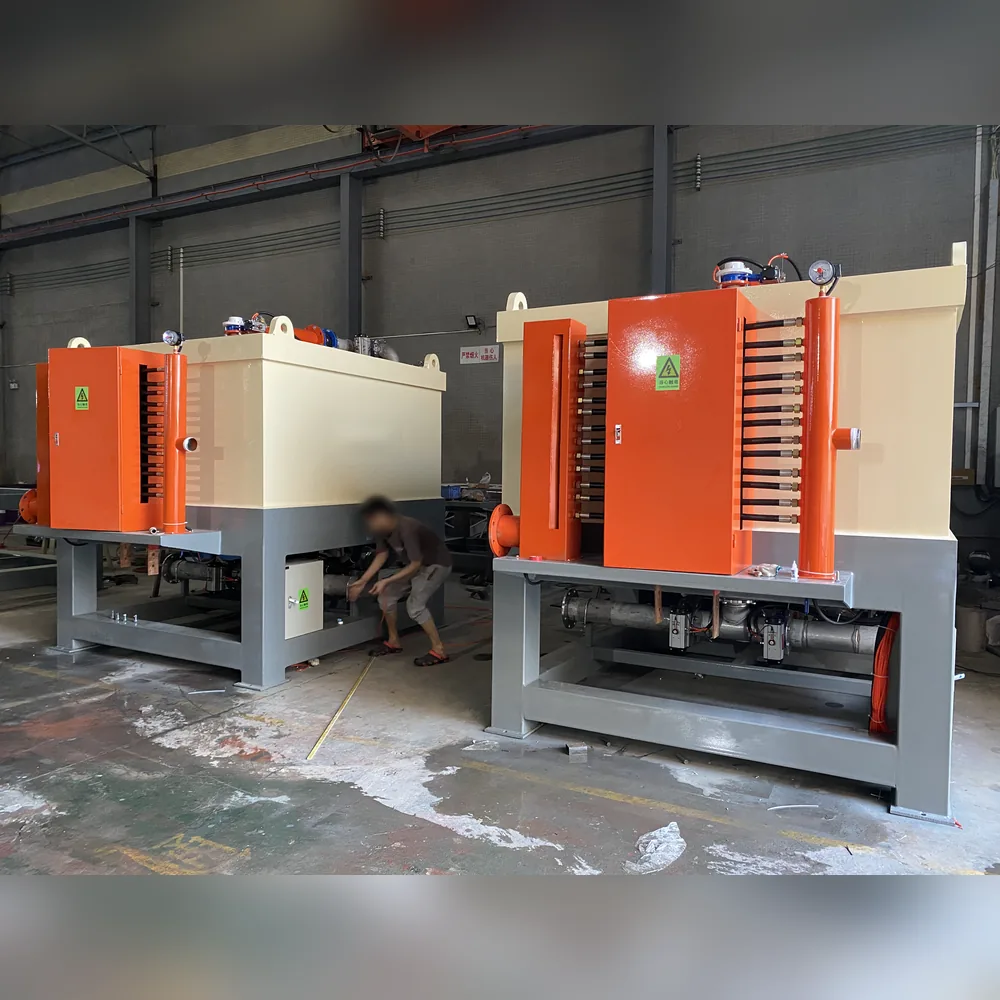 KaolinWet electromagnetic slurry separators for iron removal and whiteness on kaolin slurry; results vary by ore…
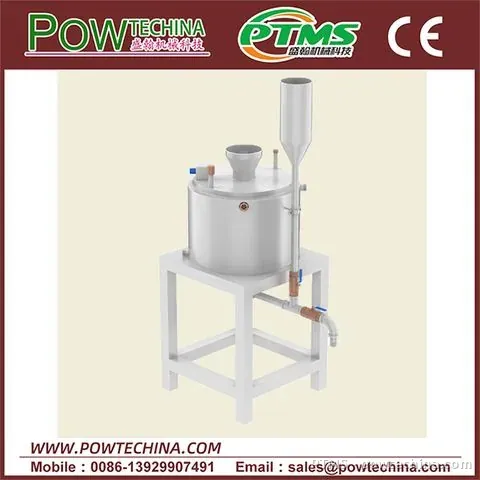 FeldsparWet and dry magnetic separators that remove iron from potassium and sodium feldspar for glass and ceramics. Re…
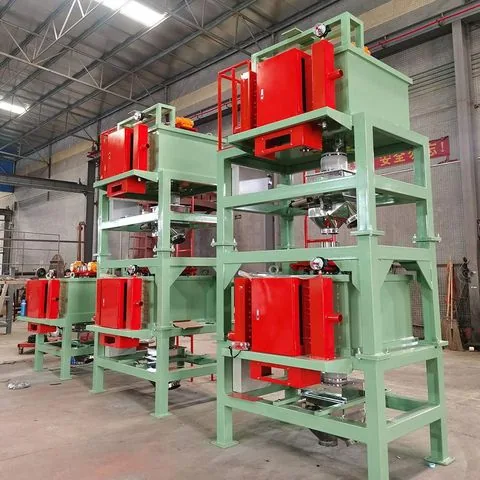 Quartz Sand & Quartz StoneDry, wet and belt magnetic separators that remove iron from quartz stone, quartz sand and silica sand for glas…
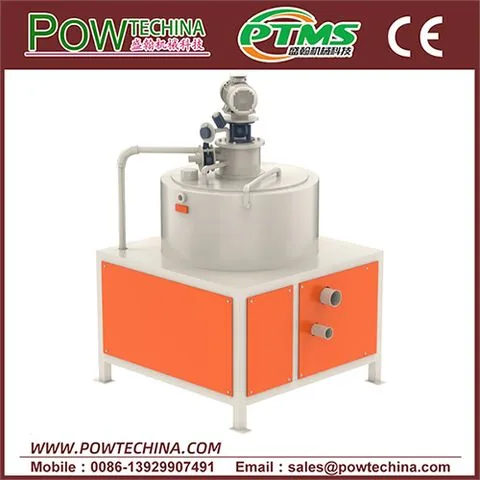 Ceramics (Glaze & Slip)Electromagnetic slurry separators and permanent magnets that remove iron specks from ceramic glaze, slip and b…
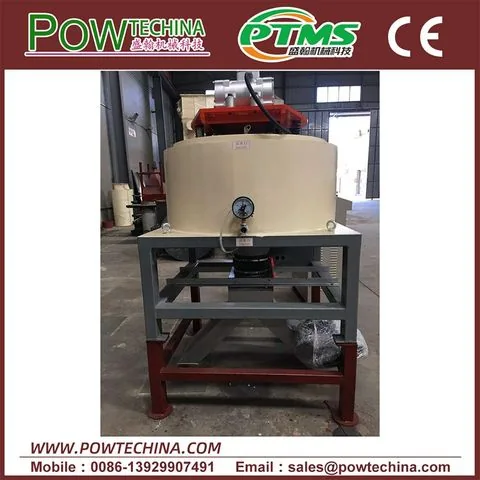 Lithium Battery MaterialsDry electromagnetic and permanent magnetic separators that remove iron from LCO, LMO, LFP, ternary cathode, gr…
Send us your material. We test it free.
Tell us your material, particle size, capacity and target iron level. We usually reply with a matched model and price within 24 hours.
Engineering explainers: magnetic separator guides (types, systems, kaolin, feldspar, silica sand).
Dry-powder separation: selection and test conditions
Dry powder and slurry require different process arrangements. Select the equipment from material state, particle-size distribution, moisture, flowability, bulk density, feed stability and the nature of the iron or magnetic foreign matter. A representative-sample test confirms the appropriate configuration and operating conditions.
Model specifications are not interchangeable. Cavity size, coil power, cooling, magnetic matrix and outlet or discharge arrangements must be confirmed for the selected model. Do not transfer a similar machine’s particle-size limits, dimensions, capacity or outlet positions to another model. A design-capacity range alone does not establish the lowest operable feed rate.
State the magnetic-field measurement location and conditions. Empty-bore (air-core), working-cavity and matrix-surface fields are different measurements; do not equate them or infer one from another. A series reference is not a measured result for an individual machine.
Capturing magnetic particles is not the same as reducing chemically measured total iron. Results depend on the material and test conditions. No fixed iron-removal rate, final iron-content value or titanium reduction is promised.
Free 5–10 kg lab test; report within 5 days of receiving the sample. Results apply to the sample received and the recorded conditions; acceptance requires assessment against the agreed product requirements.