
Application
Magnetic Separators for Kaolin Purification
PTMS wet electromagnetic (high-gradient) slurry separators remove fine iron and weakly magnetic minerals from kaolin slurry, helping producers meet the whiteness and brightness that paper, coating and ceramic buyers specify.
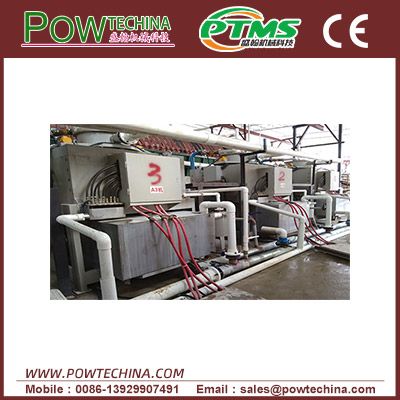
The problem
- Kaolin buyers specify brightness and whiteness. Natural kaolin loses whiteness because of minerals that contain iron, titanium and manganese, and because of organic matter.
- Iron impurities do not only affect colour: in ceramics they change the fired colour and can affect the dielectric properties and chemical stability of the finished product.
- Weakly magnetic minerals such as mica, iron oxide and titanium minerals are hard to remove with ordinary magnets. Discolouring minerals also concentrate in the fine fraction, so a separation stage that treats only coarse material leaves most of the problem in the product.
How PTMS solves it
Wet high-gradient magnetic separation suits kaolin because the material is already a slurry: dispersed particles present their full surface to the magnetized matrix. Our oil-cooled slurry separators are reported to give an obvious separation effect on weakly magnetic minerals such as mica, iron oxide and titanium. The matrix (mesh) has no residual magnetism once the coil is switched off, so iron is flushed out quickly and completely.
Recommended PTMS models
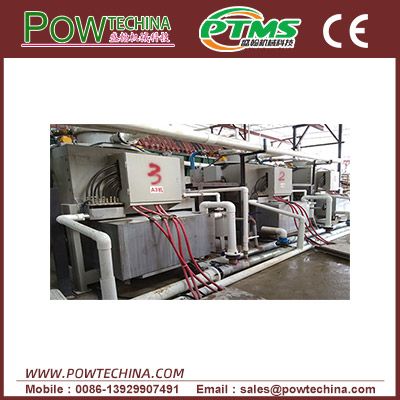 Kaolin Water-Cooled Electromagnetic Automatic Magnetic Separator, Model 1000Kaolin, Feldspar & Quartz Separators
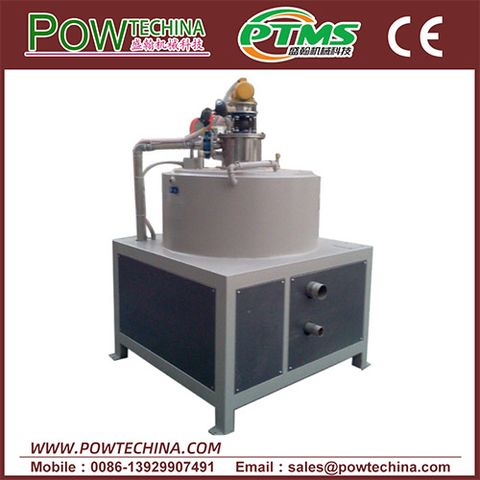 Electromagnetic Slurry Magnetic Separator SeriesElectromagnetic Separators
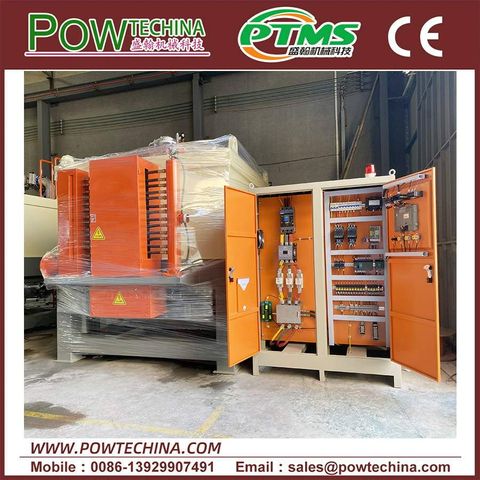 Water-Cooled Electromagnetic Separator SeriesWet / Slurry Magnetic Separators
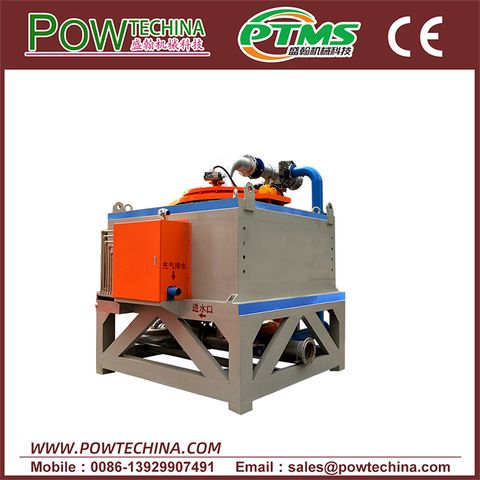 Electromagnetic Slurry Magnetic Separator Type 1000Wet / Slurry Magnetic Separators
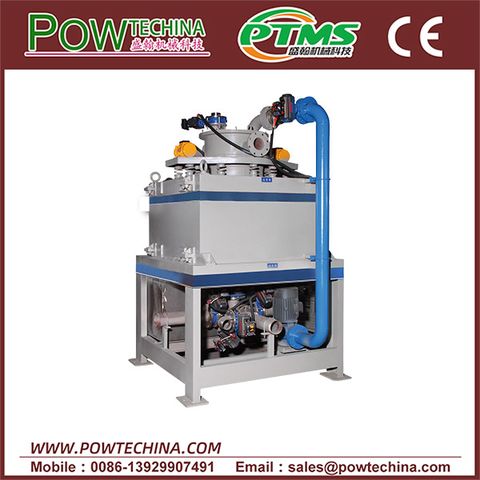 Oil Cooling Electromagnetic Slurry Magnetic Separator 1000 ModelWet / Slurry Magnetic Separators
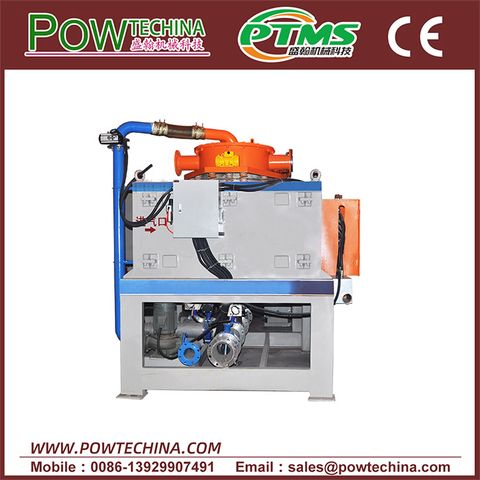 Water-Cooled Electromagnetic Slurry Magnetic SeparatorWet / Slurry Magnetic Separators
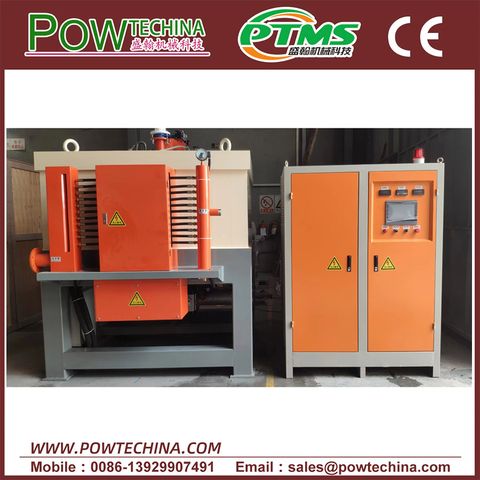 750 Water Cooling Wet Type MagnetElectromagnetic Separators
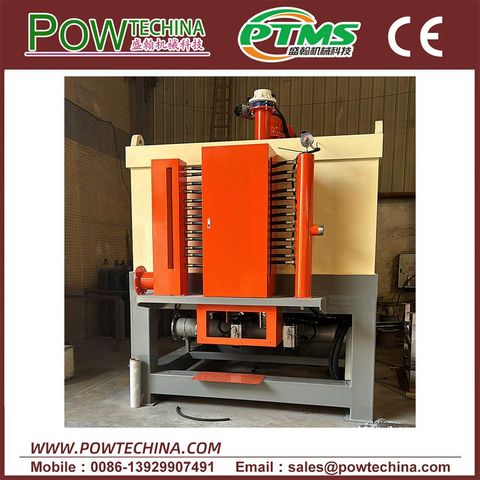 1200 Water Cooling Separator with 13 Groups of Copper CoilsElectromagnetic Separators
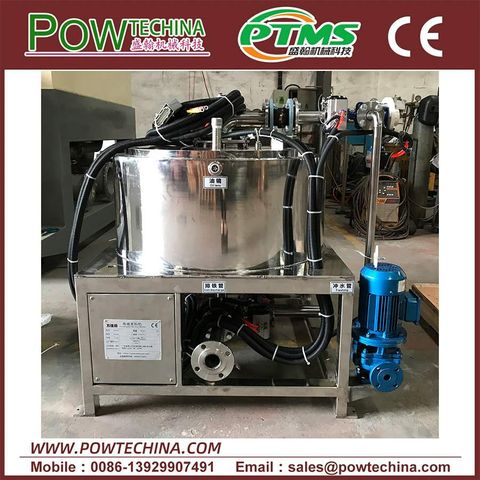 7A160 Wet MagnetWet / Slurry Magnetic Separators
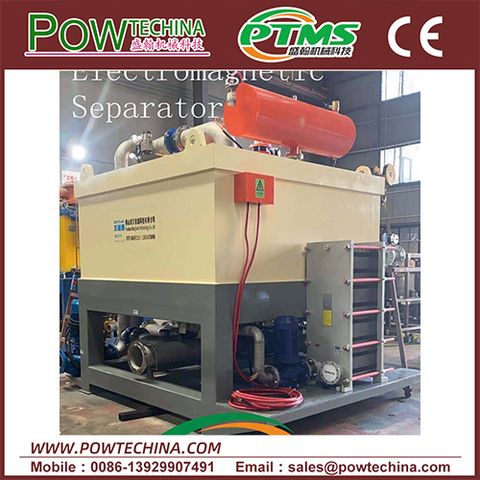 Oil-Cooled Electromagnetic Separator SeriesElectromagnetic Separators
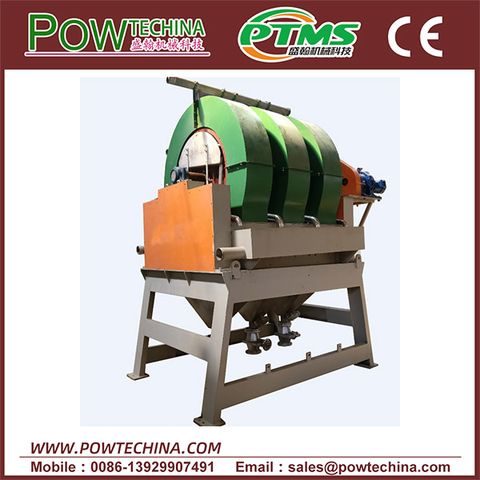 Vertical Ring High Gradient Magnetic SeparatorHigh Gradient Magnetic Separators
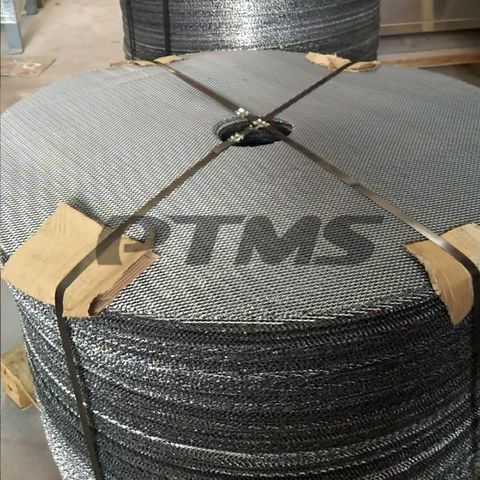 Matrix for Kaolin and FeldsparAccessories & Spare Parts
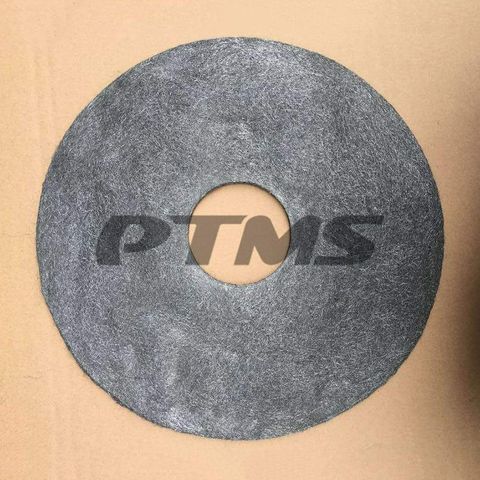 Steel Wool Matrix (Wool Hair Matrix)Accessories & Spare Parts
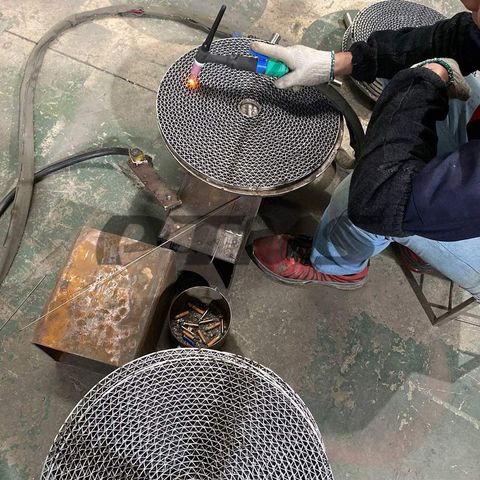 Grids for Slurry SeparatorAccessories & Spare Parts
Typical process
- Dispersion Raw kaolin is dispersed in water to form a slurry.
- Classification A spiral classifier separates coarse particles from the fine kaolin fraction.
- Screening A vibrating screen removes grit and oversize.
- Magnetic separation A water-cooled (or oil-cooled) electromagnetic slurry separator captures fine iron and weakly magnetic minerals on its high-gradient matrix.
- Automatic iron discharge The inlet and outlet valves close, the remaining slurry returns to the tank, the field switches off and the matrix is flushed with water to discharge the iron.
- Dewatering A filter press dewaters the purified kaolin.
Based on the kaolin wet processing line published by PTMS. The exact flow sheet depends on your ore, so we confirm it after the sample test.
Reference projects
- Electromagnetic Separator 1000 Model for Kaolin Project: Kaolin project using the 1000 model electromagnetic slurry separator.
- Electromagnetic Separator 750 Model for Kaolin Project: Kaolin project using the 750 model water-cooled separator.
- Maintenance of a kaolin iron-removal line in Guangxi, China: On-site maintenance service for a kaolin de-ironing line.
More project photos on our projects page.
Kaolin: buyer questions
How much can a magnetic separator raise kaolin whiteness?
It depends on your kaolin, its iron-bearing minerals and particle size. We do not quote a number without a test: send 5–10 kg of kaolin and within 5 days of receiving it we return a report with before-and-after iron content and whiteness.
Which PTMS model is suitable for a kaolin slurry line?
Wet electromagnetic slurry separators. Published reference figures: the 7A160 Wet Magnet has a theoretical field of about 30,000 GS, a 300 mm magnetic cavity and 10–30 m³/h production rate for slurry below 40 mesh. For larger lines, the published table for the water-cooled D1000 lists a 1000 mm magnetic cavity, 8-inch pipe and a yield of 80–200 (t). We confirm the model from your solids content, particle size and throughput.
Can it remove mica, iron oxide and titanium minerals from kaolin?
Our oil-cooled electromagnetic slurry separator series is reported to give an obvious separation effect on weakly magnetic non-metallic minerals such as mica, iron oxide and titanium, which ordinary magnets miss.
Water-cooled or oil-cooled for kaolin?
Both keep the coil temperature stable in continuous operation. The water-cooled design circulates (deionized) water through hollow copper tube coils; the published figure for forced cooling is a coil temperature reduction of about 20 °C, which extends coil life. We recommend the cooling type for your duty cycle and site conditions.
How is the captured iron removed from the machine?
Automatically. The slurry valves close, remaining slurry drains back through the return valve, the field is switched off and the matrix is flushed (air ejection and high-pressure water on the slurry series). The matrix has no residual magnetism, so cleaning is fast and complete.
What information do you need to size a kaolin separator?
Solids content of the slurry, particle size distribution, throughput (m³/h or t/h), current iron/whiteness and your brightness target. Where the feed varies, we can propose a staged set-up.
Send us your material. We test it free.
Tell us your material, particle size, capacity and target iron level. We usually reply with a matched model and price within 24 hours.